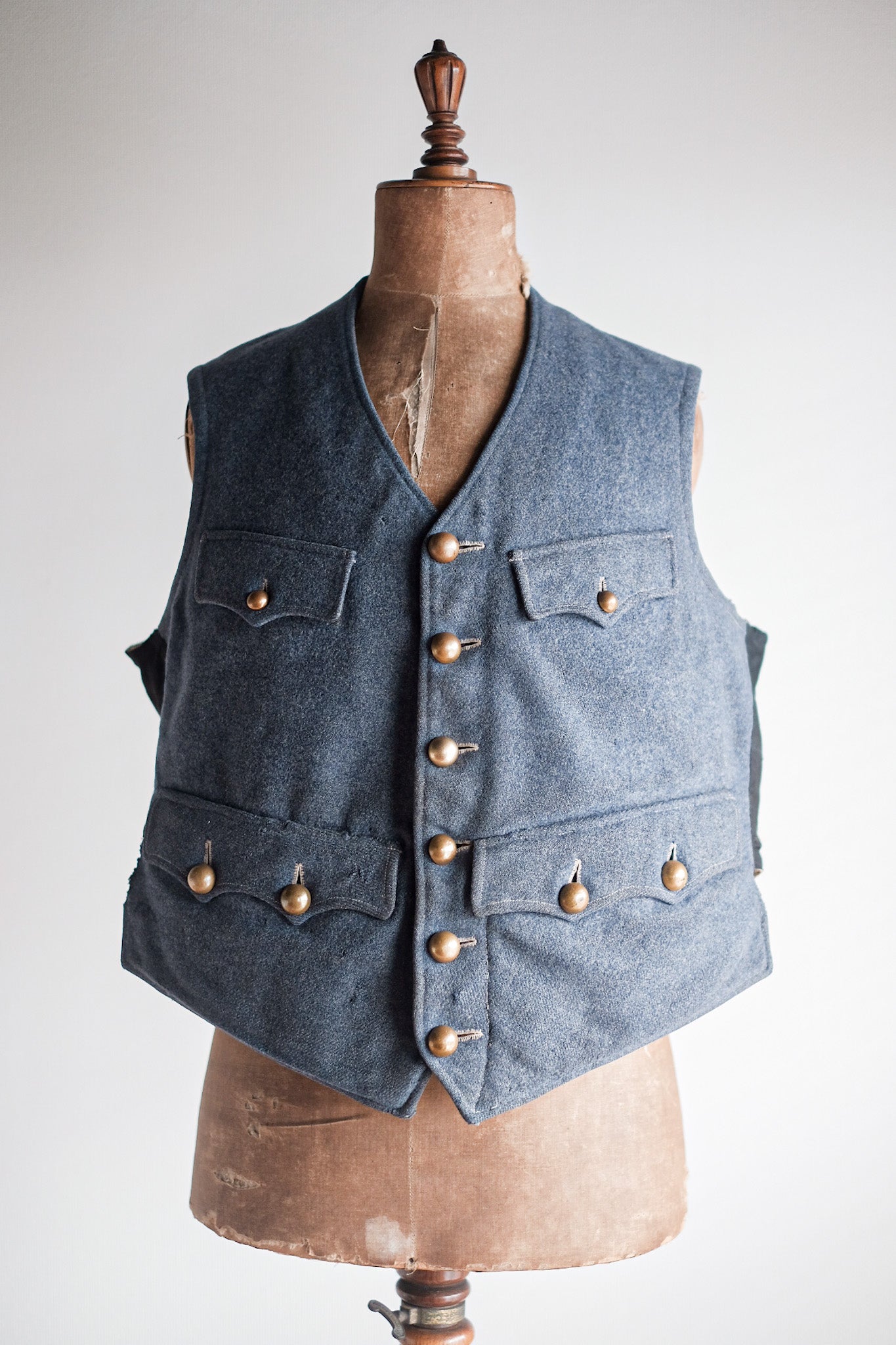
A 1975-issued West German Air Force pilot leather jacket.
Adopted by the West German Air Force from the 1950s onward, this pilot jacket has become something of a touchstone among euro-military collectors.
During the Nazi era, Erich Hartmann, the most decorated Luftwaffe ace, wore a jacket of this type.
The piece distinguishes itself through its distinctive German military grey and an assured asymmetrical design sensibility. The vertical zip pocket on the left chest and the cigarette pocket on the left sleeve are characteristic details of the period.
The front zip slider features YKK hardware, as do the vertical pocket and cigarette pocket closures.
The collar, cuffs, and hem are ribbed for insulation and wind resistance—a functional design that serves the wearer as much as the eye. The piece is, without question, both versatile and purposeful.
The orange lining, which contrasts with the grey leather, was originally intended to aid in rescue operations should a pilot be downed. In retrospect, it reads as a design decision of real elegance.
The jacket is crafted from goat skin.
Goat skin comes from mature animals and offers strength exceeding that of beef hide, yet at half the thickness and substantially lighter in weight. The fiber density is remarkably high, lending the leather both durability and suppleness—it is resilient without brittleness, and possesses natural elasticity.
Many assume leather jackets are inherently stiff and difficult to wear. This piece, however, benefits from its material's inherent softness and has only grown more accommodating with age. There is no barrier here.
The interior tag, found within the left chest pocket and marking the jacket as military-issued, is present and legible. The notation "/ 75" indicates this particular example was issued in 1975.
While examples from the 1980s onward remain relatively common, earlier pieces such as this are uncommon. By market standards, an example predating the 1980s is rare.
Size marking reads "170 / 100," equivalent to a Japanese large.
The actual measurements confirm a generous cut, accommodating larger frames without compromise. In the manner of military dress, wearing it loose and unstructured suits its character perfectly.
The jacket bears the expected marks of use—creasing, soiling, abrasion, small repairs—but sustains no damage that would impair wearing. It remains entirely wearable.
The West German Air Force pilot leather jacket stands as a fundamental reference in euro-military wear. Its recognition extends beyond vintage enthusiasts to designers and creative practitioners across generations—notably, it has been deconstructed and reimagined by Maison Margiela's artisanal line. It is a piece that recommends itself universally.
Whether as an element of daily dress, a collection piece, or a design source, it holds genuine value. Examples of this age are increasingly difficult to locate. If you have been searching, this warrants your attention.