Fast shipping right after purchase, careful packaging, a message card, and the quality of the item - everything was great! When I actually tried it on, I was convinced this is something I'll have for life. Thank you so much. I'd love to shop with you again next time.
SKU · J0815
·ARRIVED 2024.07.10
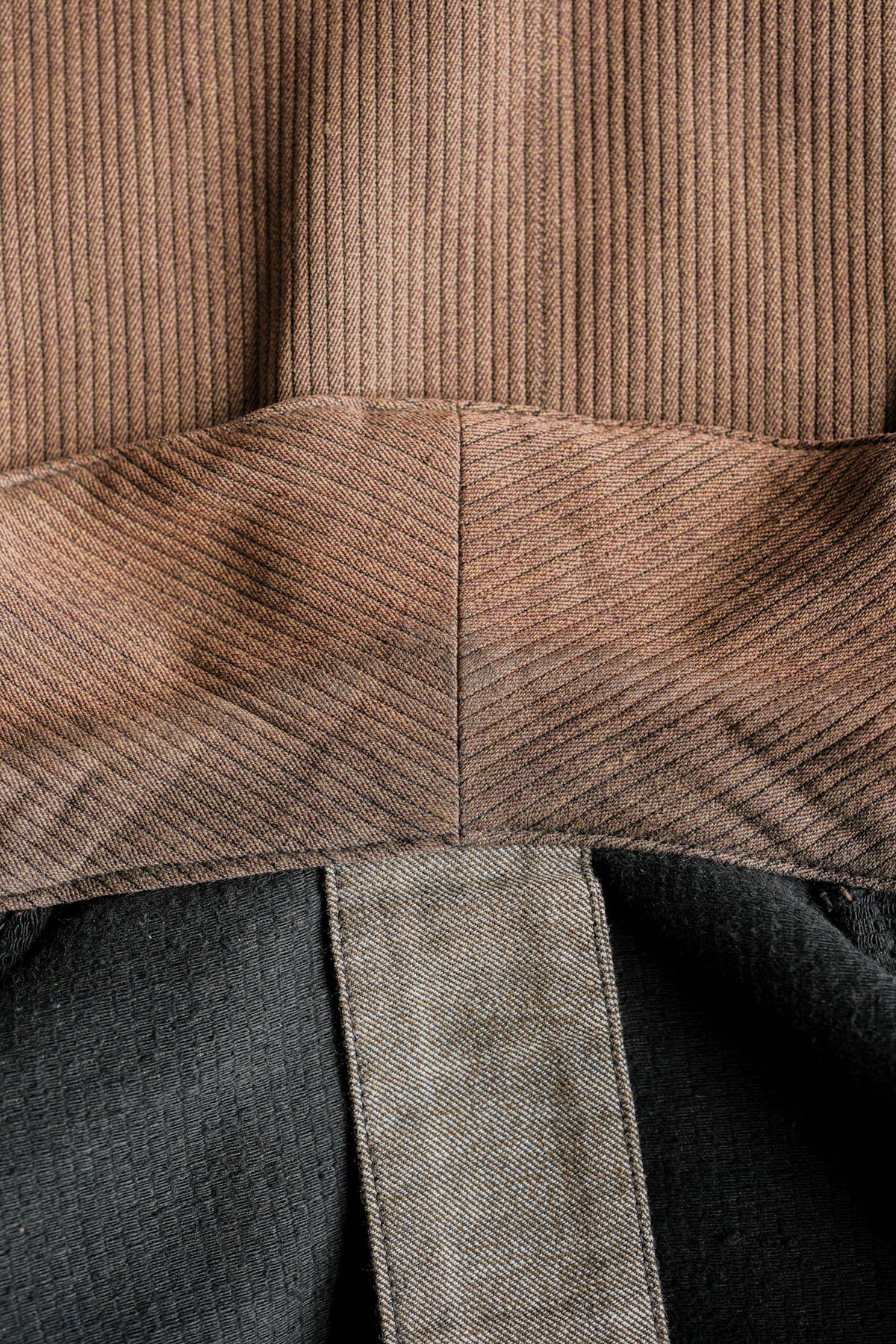
![[~30's]French Vintage Brown Cotton Pique Hunting Jacket With Chin Strap](http://vieuxetnouveau-shop.com/cdn/shop/files/DSCF8624.jpg?v=1728488117&width=2400)
![[~30's]French Vintage Brown Cotton Pique Hunting Jacket With Chin Strap](http://vieuxetnouveau-shop.com/cdn/shop/files/DSCF8625.jpg?v=1728488117&width=2400)
![[~30's]French Vintage Brown Cotton Pique Hunting Jacket With Chin Strap](http://vieuxetnouveau-shop.com/cdn/shop/files/DSCF8646.jpg?v=1728488117&width=2400)
![[~30's]French Vintage Brown Cotton Pique Hunting Jacket With Chin Strap](http://vieuxetnouveau-shop.com/cdn/shop/files/DSCF8630.jpg?v=1728488117&width=2400)
![[~30's]French Vintage Brown Cotton Pique Hunting Jacket With Chin Strap](http://vieuxetnouveau-shop.com/cdn/shop/files/DSCF8631.jpg?v=1728488117&width=2400)
![[~30's]French Vintage Brown Cotton Pique Hunting Jacket With Chin Strap](http://vieuxetnouveau-shop.com/cdn/shop/files/DSCF8635.jpg?v=1728488117&width=2400)
![[~30's]French Vintage Brown Cotton Pique Hunting Jacket With Chin Strap](http://vieuxetnouveau-shop.com/cdn/shop/files/DSCF8647.jpg?v=1728488117&width=2400)
![[~30's]French Vintage Brown Cotton Pique Hunting Jacket With Chin Strap](http://vieuxetnouveau-shop.com/cdn/shop/files/DSCF8648.jpg?v=1728488117&width=2400)
![[~30's]French Vintage Brown Cotton Pique Hunting Jacket With Chin Strap](http://vieuxetnouveau-shop.com/cdn/shop/files/DSCF8637.jpg?v=1728488117&width=2400)
![[~30's]French Vintage Brown Cotton Pique Hunting Jacket With Chin Strap](http://vieuxetnouveau-shop.com/cdn/shop/files/DSCF8638.jpg?v=1728488117&width=2400)
![[~30's]French Vintage Brown Cotton Pique Hunting Jacket With Chin Strap](http://vieuxetnouveau-shop.com/cdn/shop/files/DSCF8639.jpg?v=1728488117&width=2400)
![[~30's]French Vintage Brown Cotton Pique Hunting Jacket With Chin Strap](http://vieuxetnouveau-shop.com/cdn/shop/files/DSCF8626.jpg?v=1728488117&width=2400)
![[~30's]French Vintage Brown Cotton Pique Hunting Jacket With Chin Strap](http://vieuxetnouveau-shop.com/cdn/shop/files/DSCF8627.jpg?v=1728488117&width=2400)
![[~30's]French Vintage Brown Cotton Pique Hunting Jacket With Chin Strap](http://vieuxetnouveau-shop.com/cdn/shop/files/DSCF8628.jpg?v=1728488116&width=2400)
![[~30's]French Vintage Brown Cotton Pique Hunting Jacket With Chin Strap](http://vieuxetnouveau-shop.com/cdn/shop/files/DSCF8641.jpg?v=1728488116&width=2400)
![[~30's]French Vintage Brown Cotton Pique Hunting Jacket With Chin Strap](http://vieuxetnouveau-shop.com/cdn/shop/files/DSCF8642.jpg?v=1728488117&width=2400)
![[~30's]French Vintage Brown Cotton Pique Hunting Jacket With Chin Strap](http://vieuxetnouveau-shop.com/cdn/shop/files/DSCF8643.jpg?v=1728488117&width=2400)
![[~30's]French Vintage Brown Cotton Pique Hunting Jacket With Chin Strap](http://vieuxetnouveau-shop.com/cdn/shop/files/DSCF8645.jpg?v=1728488117&width=2400)
![[~30's]French Vintage Brown Cotton Pique Hunting Jacket With Chin Strap](http://vieuxetnouveau-shop.com/cdn/shop/files/DSCF8644.jpg?v=1728488117&width=2400)
![[~30's]French Vintage Brown Cotton Pique Hunting Jacket With Chin Strap](http://vieuxetnouveau-shop.com/cdn/shop/files/DSCF8636.jpg?v=1728488117&width=2400)
![[~30's]French Vintage Brown Cotton Pique Hunting Jacket With Chin Strap](http://vieuxetnouveau-shop.com/cdn/shop/files/DSCF8650.jpg?v=1728488117&width=2400)
![[~30's]French Vintage Brown Cotton Pique Hunting Jacket With Chin Strap](http://vieuxetnouveau-shop.com/cdn/shop/files/DSCF8652.jpg?v=1728488117&width=2400)
![[~30's]French Vintage Brown Cotton Pique Hunting Jacket With Chin Strap](http://vieuxetnouveau-shop.com/cdn/shop/files/DSCF8657.jpg?v=1728488117&width=2400)
![[~30's]French Vintage Brown Cotton Pique Hunting Jacket With Chin Strap](http://vieuxetnouveau-shop.com/cdn/shop/files/DSCF8355.jpg?v=1728488117&width=2400)
![[~30's]French Vintage Brown Cotton Pique Hunting Jacket With Chin Strap](http://vieuxetnouveau-shop.com/cdn/shop/files/DSCF8357.jpg?v=1728488116&width=2400)
![[~30's]French Vintage Brown Cotton Pique Hunting Jacket With Chin Strap](http://vieuxetnouveau-shop.com/cdn/shop/files/DSCF8361.jpg?v=1728488117&width=2400)
![[~30's]French Vintage Brown Cotton Pique Hunting Jacket With Chin Strap](http://vieuxetnouveau-shop.com/cdn/shop/files/DSCF8363.jpg?v=1728488117&width=2400)
![[~30's]French Vintage Brown Cotton Pique Hunting Jacket With Chin Strap](http://vieuxetnouveau-shop.com/cdn/shop/files/DSCF8358.jpg?v=1728488116&width=2400)
![[~30's]French Vintage Brown Cotton Pique Hunting Jacket With Chin Strap](http://vieuxetnouveau-shop.com/cdn/shop/files/DSCF9162_698c7507-2cf6-4135-b02a-46a18ca4d2cb.jpg?v=1728488117&width=2400)
![[~30's]French Vintage Brown Cotton Pique Hunting Jacket With Chin Strap](http://vieuxetnouveau-shop.com/cdn/shop/files/DSCF9170_e6944bf8-2c1a-432e-b5b6-0e93253bde51.jpg?v=1728488117&width=2400)
![[~30's]French Vintage Brown Cotton Pique Hunting Jacket With Chin Strap](http://vieuxetnouveau-shop.com/cdn/shop/files/DSCF9171.jpg?v=1728488117&width=2400)
![[~30's]French Vintage Brown Cotton Pique Hunting Jacket With Chin Strap](http://vieuxetnouveau-shop.com/cdn/shop/files/DSCF9174.jpg?v=1728488117&width=2400)
![[~30's]French Vintage Brown Cotton Pique Hunting Jacket With Chin Strap](http://vieuxetnouveau-shop.com/cdn/shop/files/DSCF9172.jpg?v=1728488116&width=2400)
![[~30's]French Vintage Brown Cotton Pique Hunting Jacket With Chin Strap](http://vieuxetnouveau-shop.com/cdn/shop/files/DSCF9164_bc4cf44e-8204-4db3-84ee-debc43bea24f.jpg?v=1728488117&width=2400)
![[~30's]French Vintage Brown Cotton Pique Hunting Jacket With Chin Strap](http://vieuxetnouveau-shop.com/cdn/shop/files/DSCF9167_76de9fce-6613-460a-a306-0c0a8ea3ce04.jpg?v=1728488117&width=2400)
![[~30's]French Vintage Brown Cotton Pique Hunting Jacket With Chin Strap](http://vieuxetnouveau-shop.com/cdn/shop/files/DSCF9169_b62b542c-0c55-4053-894c-a6d111a6e6b6.jpg?v=1728488117&width=2400)
![[~30's]French Vintage Brown Cotton Pique Hunting Jacket With Chin Strap](http://vieuxetnouveau-shop.com/cdn/shop/files/DSCF9165.jpg?v=1728488117&width=2400)
![[~30's]French Vintage Brown Cotton Pique Hunting Jacket With Chin Strap](http://vieuxetnouveau-shop.com/cdn/shop/files/DSCF9160_0e21d20f-b12e-4251-8da7-f0f09c08ed67.jpg?v=1728488117&width=2400)
![[~30's]French Vintage Brown Cotton Pique Hunting Jacket With Chin Strap](http://vieuxetnouveau-shop.com/cdn/shop/files/DSCF9161_998b2ab8-7755-41a9-818c-f333a39a4c72.jpg?v=1728488117&width=2400)
![[~30's]French Vintage Brown Cotton Pique Hunting Jacket With Chin Strap](http://vieuxetnouveau-shop.com/cdn/shop/files/DSCF9180_61398000-1e1f-4ae6-afca-c8224eb000d2.jpg?v=1728488117&width=2400)
![[~30's]French Vintage Brown Cotton Pique Hunting Jacket With Chin Strap](http://vieuxetnouveau-shop.com/cdn/shop/files/DSCF9176.jpg?v=1728488117&width=2400)
![[~30's]French Vintage Brown Cotton Pique Hunting Jacket With Chin Strap](http://vieuxetnouveau-shop.com/cdn/shop/files/DSCF9166.jpg?v=1728488117&width=2400)
![[~30's]French Vintage Brown Cotton Pique Hunting Jacket With Chin Strap](http://vieuxetnouveau-shop.com/cdn/shop/files/DSCF9159_84359111-99b3-4698-974c-2a577803329e.jpg?v=1728488117&width=2400)
![[~30's]French Vintage Brown Cotton Pique Hunting Jacket With Chin Strap](http://vieuxetnouveau-shop.com/cdn/shop/files/DSCF9177_ed6846eb-4635-4b39-bf85-4e70f7a76517.jpg?v=1728488117&width=2400)
![[~30's]French Vintage Brown Cotton Pique Hunting Jacket With Chin Strap](http://vieuxetnouveau-shop.com/cdn/shop/files/DSCF9178_9c9e759a-d9ff-4ba2-9d4b-aea3d9af3ca3.jpg?v=1728488117&width=2400)
![[~30's]French Vintage Brown Cotton Pique Hunting Jacket With Chin Strap](http://vieuxetnouveau-shop.com/cdn/shop/files/DSCF9297_e73b1054-71d4-4287-bb65-9b22e2a20fdb.jpg?v=1728488118&width=2400)
STYLING WITH THIS ITEM
REVIEWS
4.9
- (138)
- (3)
- (1)
- (0)
- (1)
5
- (19)
- (0)
- (0)
- (0)
- (0)

SULKA is the best. The leather is soft and supple, with an incredible drape you wouldn't expect from leather. I'll take good care of it. Thank you.

I got a great deal. Shipping was handled the next day too.

This was the first time I've seen a brown moleskin work jacket. The condition was really good too, almost like deadstock. I'm very satisfied. I made a great purchase. I'm going to take good care of it and wear it for a long time.

Vintage selected by VIEUX ET NOUVEAU
They answered my inquiry politely, so I could shop with peace of mind. The packaging was also very careful, and I could feel their consideration.
Thanks!
Perfect selection. Smooth transaction.