An estimated 1980s 'Saddle Shoulder Wool Balmacaan Coat' by Burberrys.
A special arrival.
Made in England.
Burberrys is a long-established British house, founded in 1856 in Basingstoke, England, by "Thomas Burberry".
In 1879, taking a cue from the smocks that farmers wore over their clothes to keep off the dirt, he invented a new fabric of outstanding durability and water resistance, known as "Gabardine".
In 1912 came the patent for the "Tielocken", a coat that remains much loved today.
In 1901, the familiar 'mounted knight' emblem, the "Equestrian Knight", was born of a public competition.
The image of a knight on horseback expresses the classic character of the house and its unwavering commitment to quality.
Around 1920, the 'Burberrys check' — the pattern Burberry still holds as a registered trademark today — was first used as a lining for rainwear.
From Burberrys, with a history of nearly 170 years, we present a Balmacaan coat that pairs a classic design with the rare "saddle shoulder".
Burberrys coats generally come with either set-in sleeves or raglan sleeves (two-piece sleeves), but unless they are worn at exactly the right size, the shoulders tend to rise unnaturally, giving a silhouette that looks almost as if shoulder pads had been fitted.
This piece, however, has "Saddle Shoulder" sleeves, which achieve a clean silhouette "on a par with a one-piece sleeve".
A saddle shoulder is a type of raglan sleeve: a one-piece sleeve in which the shoulder runs level, giving a slightly squared shape.
It can also be worn oversized for a relaxed, contemporary look, which is perhaps why so many people are looking for one.
On this piece, the length has been shortened by a previous owner — it is what is known as a "modified" piece.
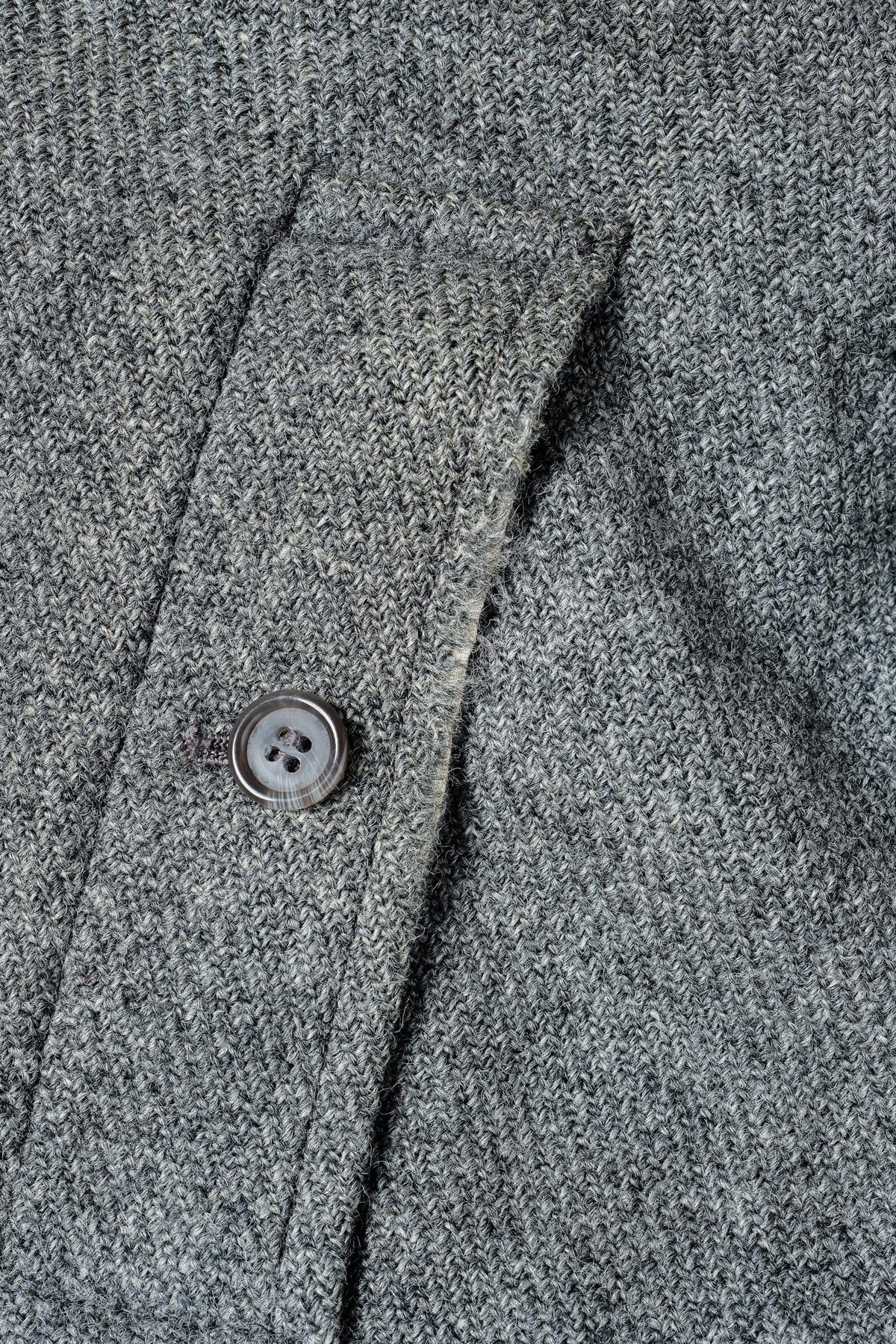
The front closes with a concealed button fly.
With the collar turned up, the sense of occasion and the presence it gives are in a class of their own.
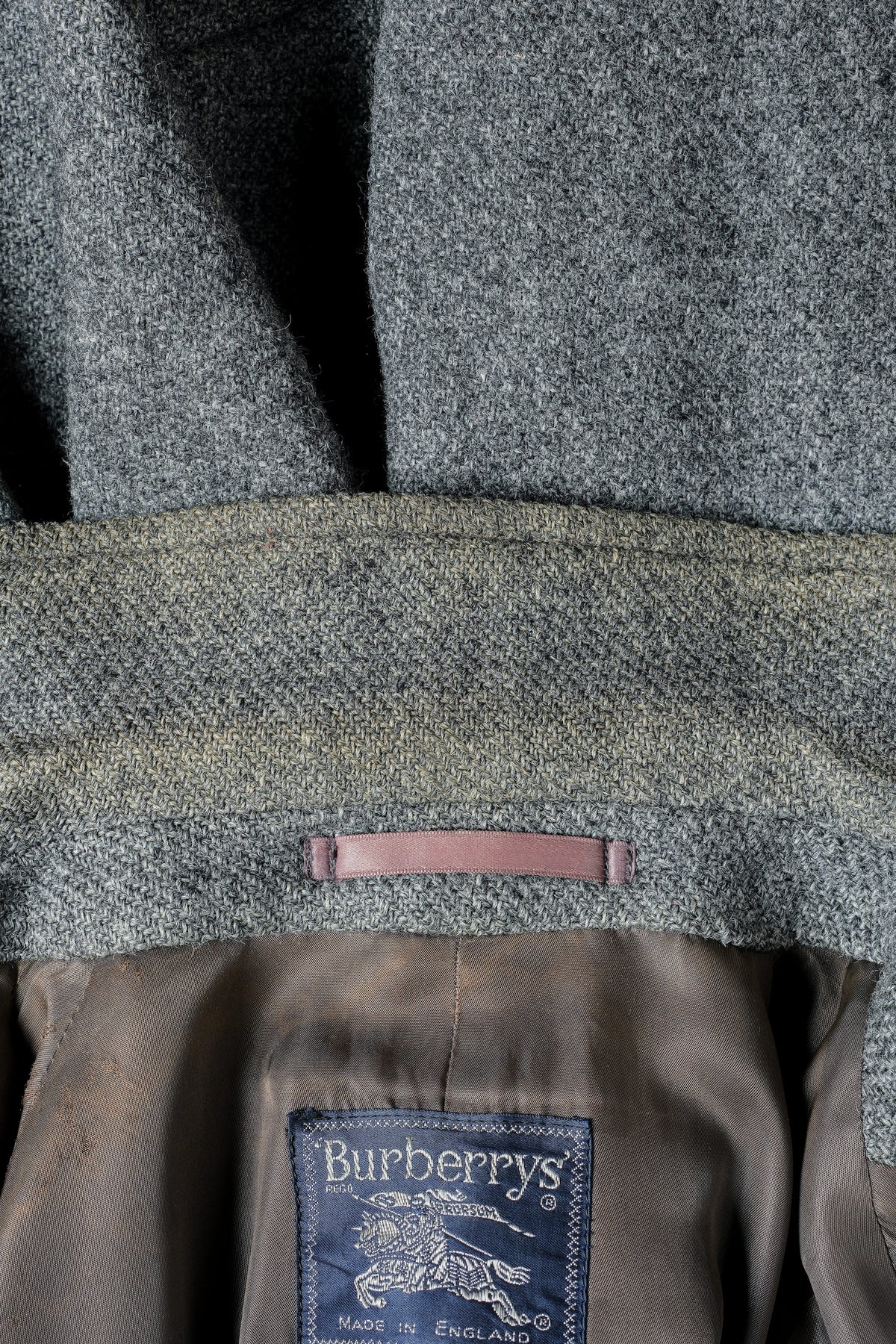
Inside the neck is a brand label reading "MADE IN ENGLAND", confirming that it was made in its home country.
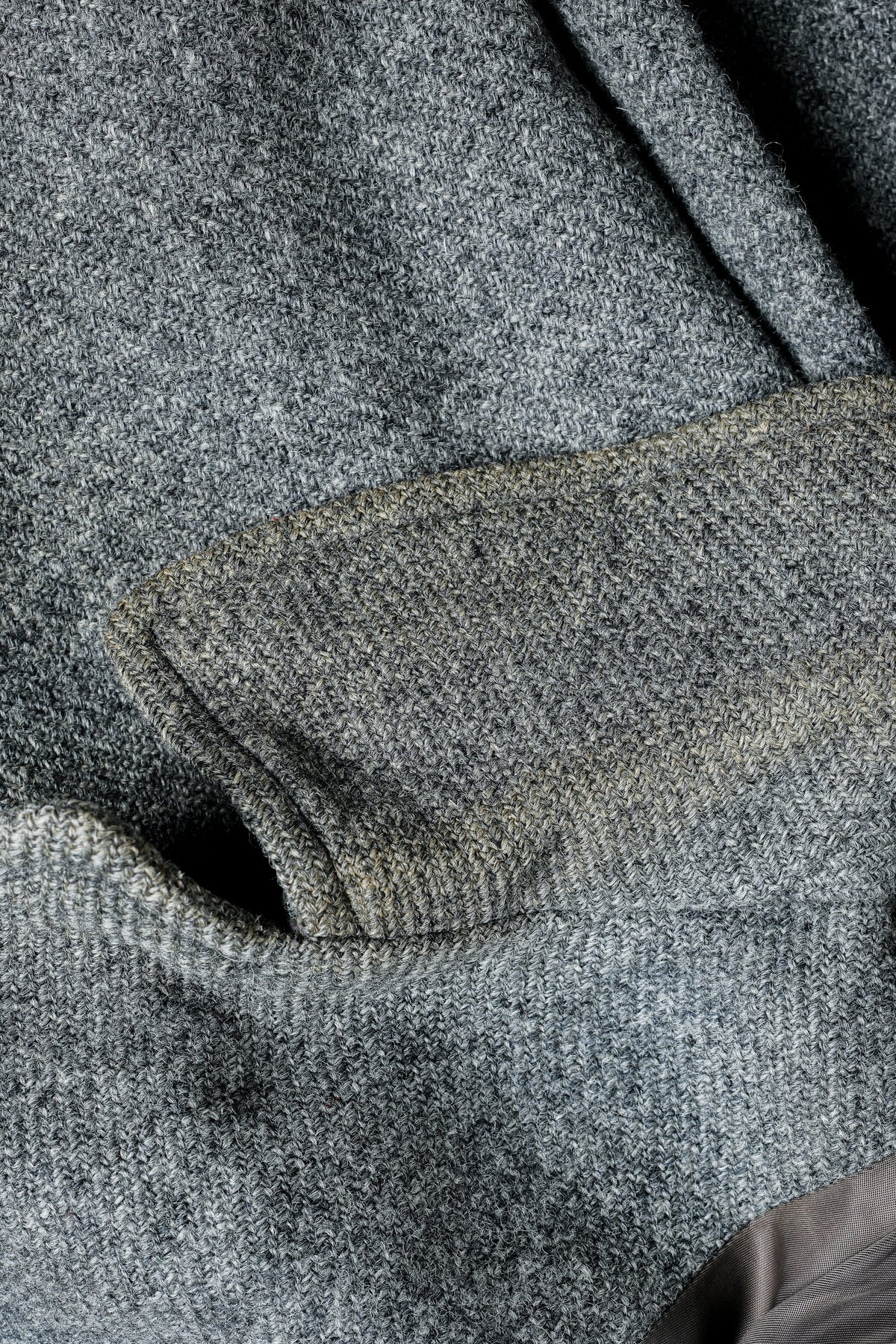
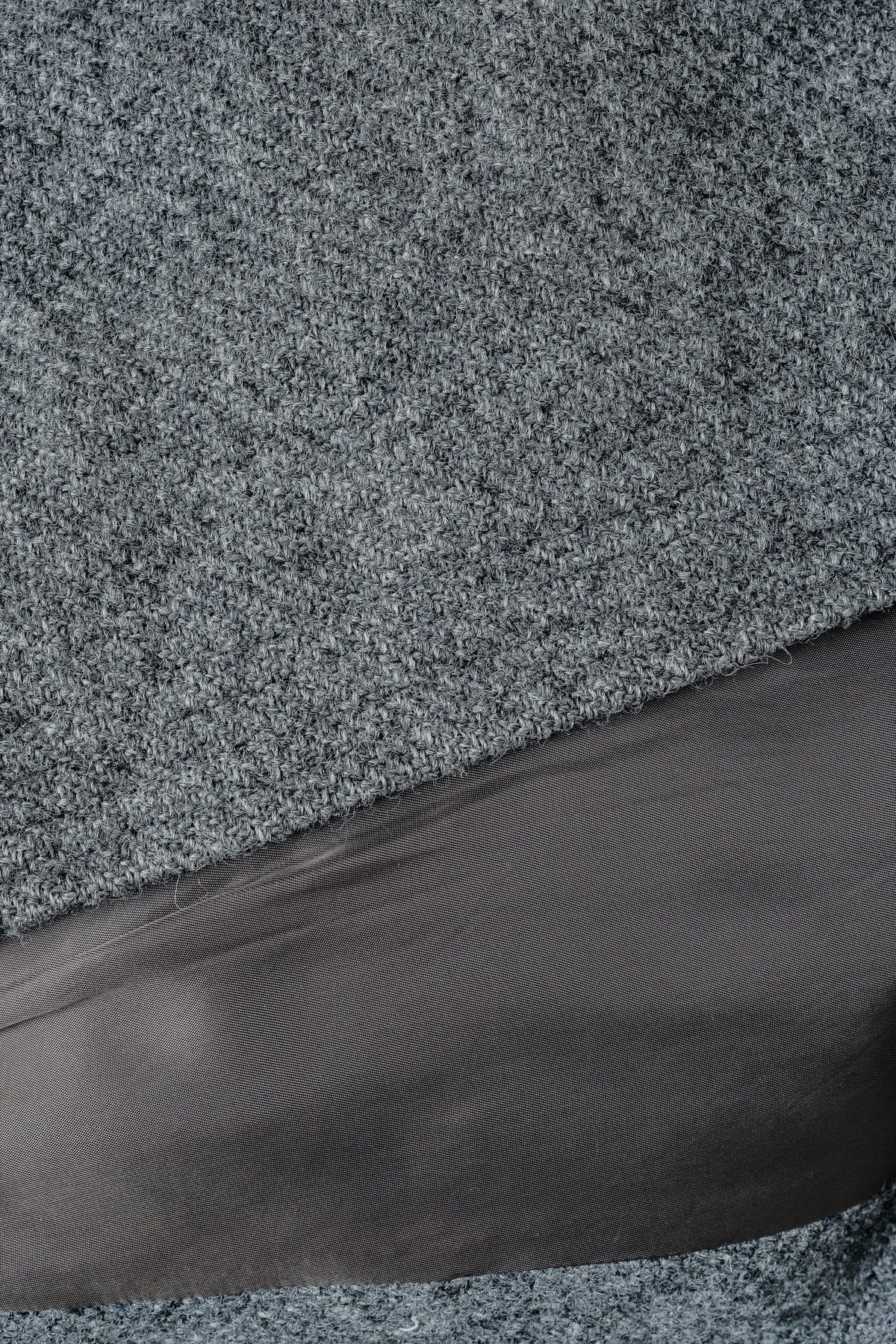
This piece is generously made from "HARRIS TWEED".Even among wool pieces, most use pure wool or alpaca; ones in tweed are seldom seen.
Tweed is a type of woollen cloth, a speciality of Scotland.
The colour is grey, much sought after.
Size label: "50 RL"Roughly equivalent to a Japanese "M ~ L".
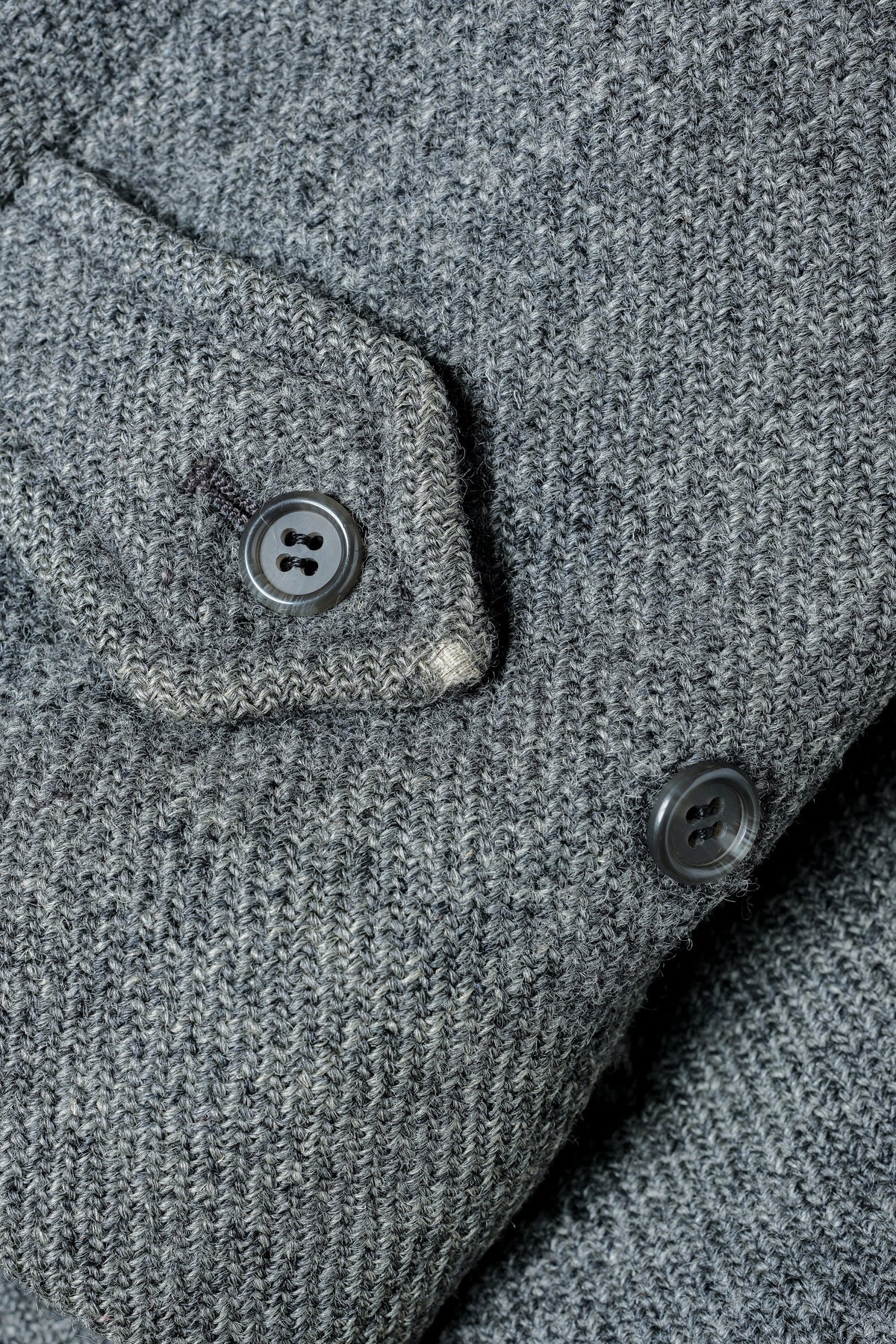
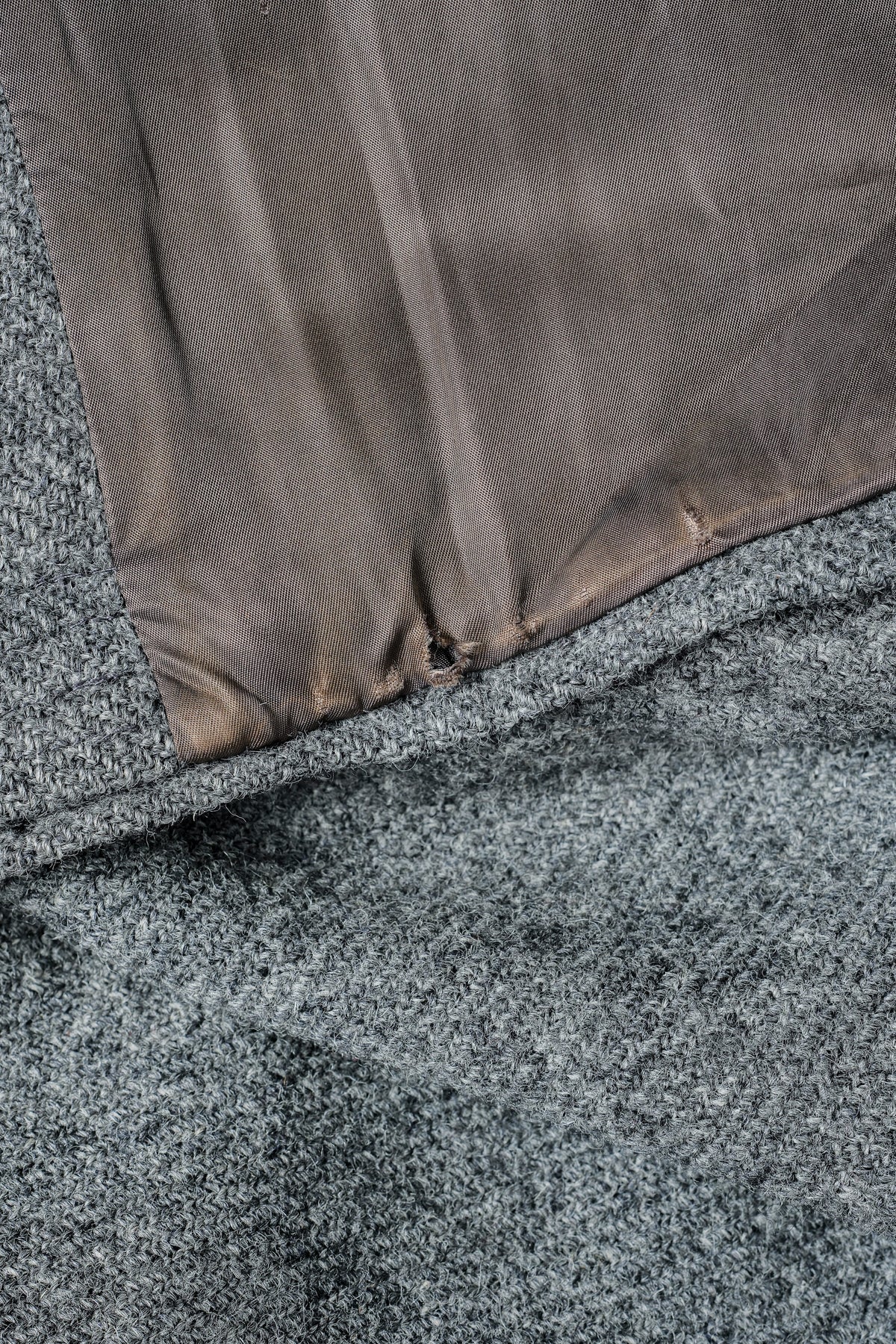
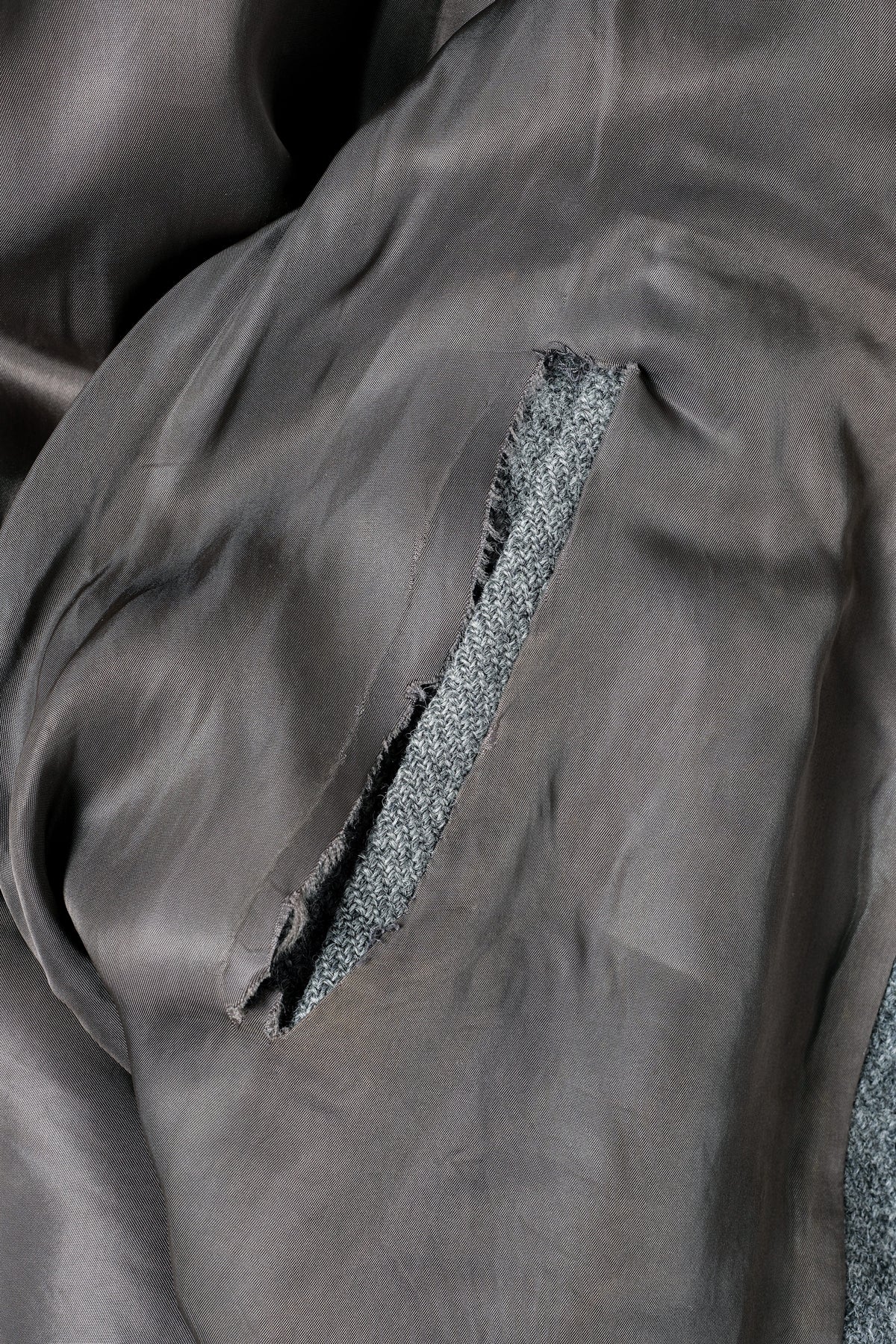
There are signs of use such as marks, scuffs, small holes, tears, replaced buttons and a shortened length, but no significant damage that would affect wear, so it has plenty of life left in it.
The first name likely to come to mind for a vintage coat: "Burberrys"
Highly recommended for anyone looking for a classic coat that could become a lifelong companion — please do not miss this opportunity.
ADD TO CART